
Empowering Teachers to Deliver Inspiring Art Every Day
Our hands-on CPD workshops build confidence, refresh subject knowledge, and equip your staff with practical techniques that immediately raise the quality of classroom art projects.
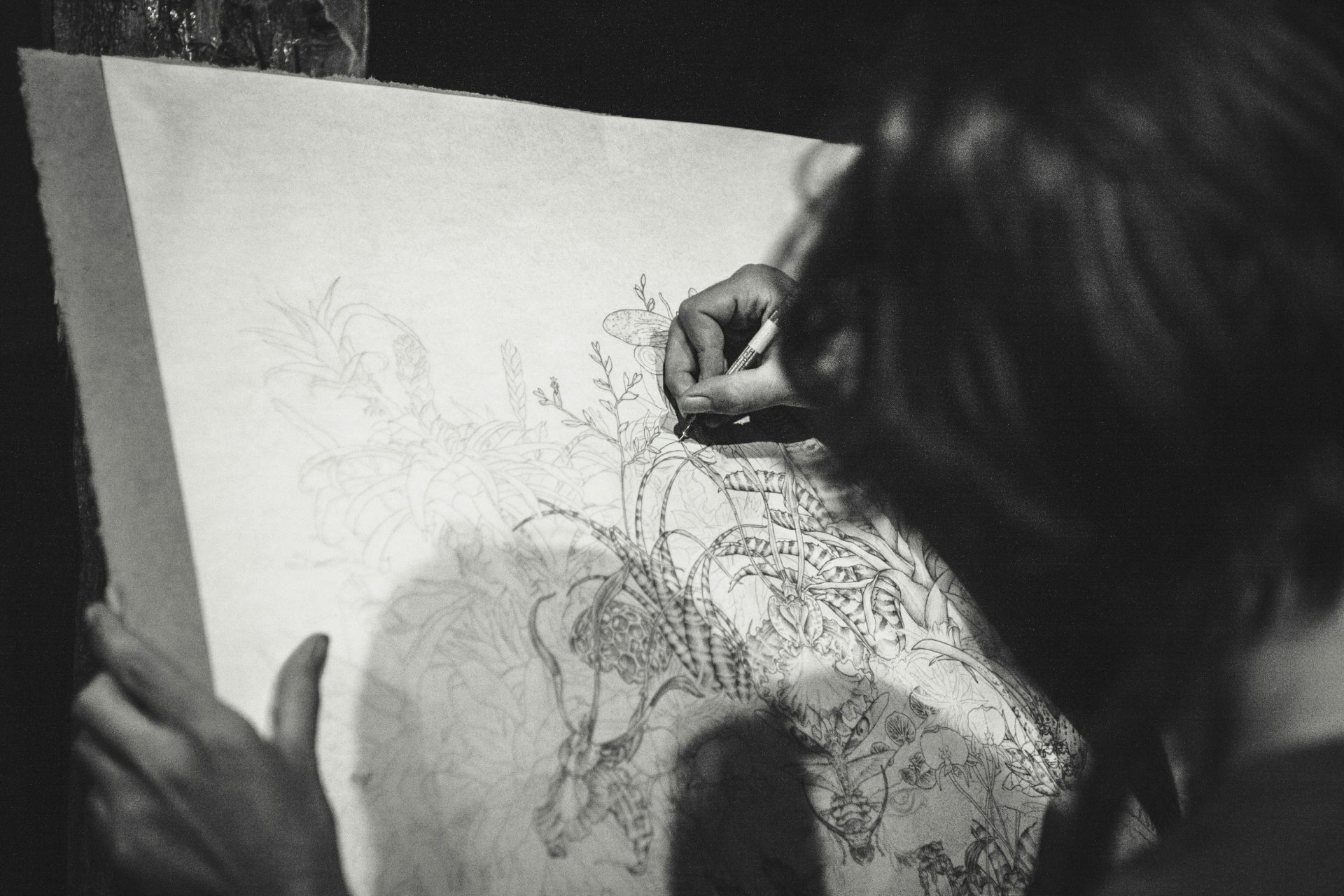
Progression in drawing
Drawing skills underpin all aspects of art but can often be the hardest area for non
specialists to teach.
This practical course explains how children’s drawing skills develop from the scribbling stage to the
realism stage and how teachers can plan for progression, avoiding unnecessary repetition. Using a
simple step by step approach, the course will give strategies for teaching and instantly applying
drawing skills.
The course booklet includes,
- Strategies for assessing progress in drawing skills
- Examples of artists to be studied to inspire your pupils
- Examples of artworks
- Progressive vocabulary list
- Resourcing ideas
Understanding and Using Colour Theory
Colour theory is a fundamental part of visual art, helping artists create with intention
and control. In this course teachers will learn,
In this course teachers will learn,
- How to teach beyond the basics of a colour wheel
- The origin of colours and pigments used by artists
- Teaching colour mixing so that pupils can independently choose and use hues, shades, tones
and tints in their work - How to show depth, shadow and highlights with paint
- An understanding of how artists use colour relationships to create visual effects
The accompanying course booklet also gives examples of artists to study to teach specific skills,
paintings to analyse and progressive vocabulary list

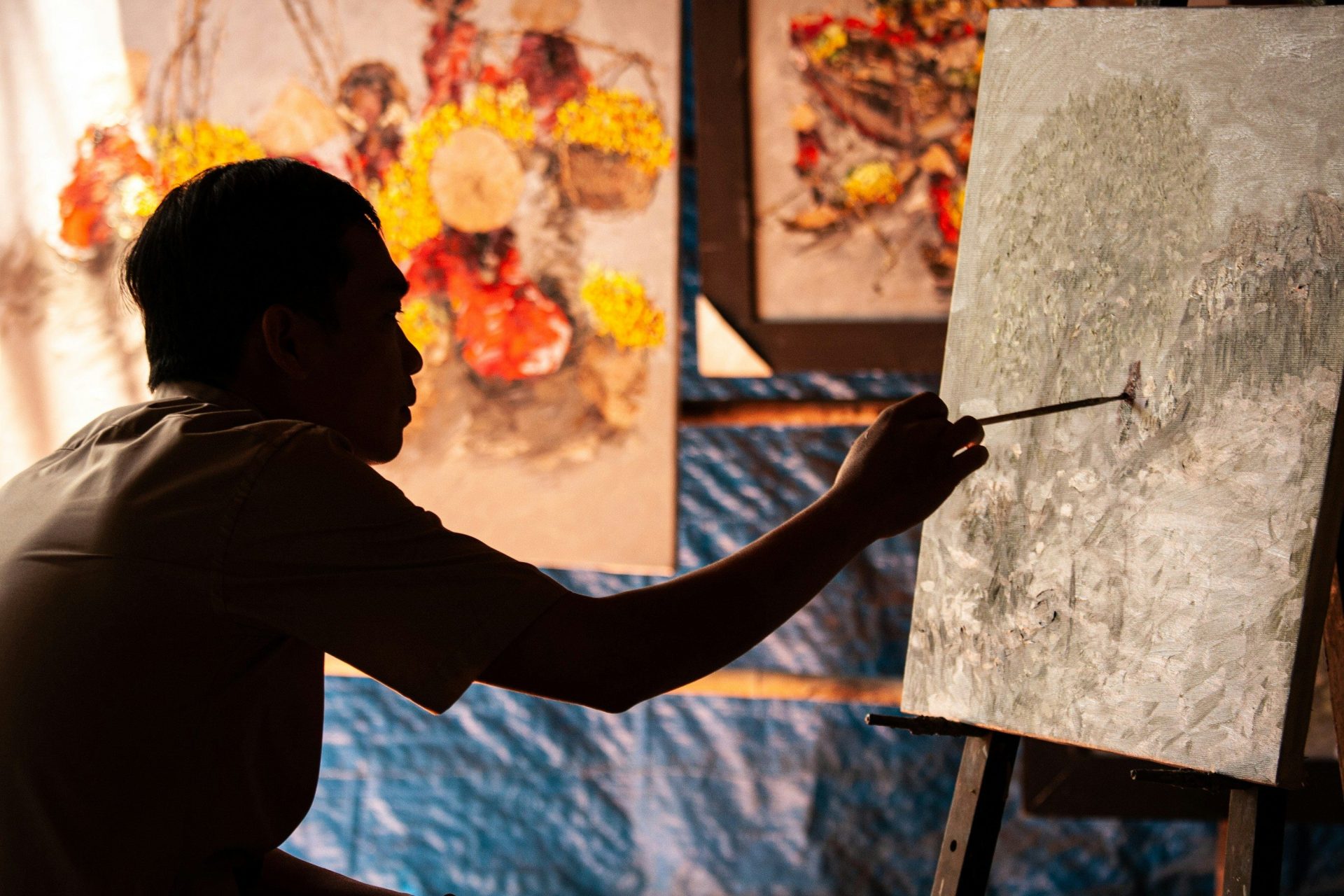
Progression in Painting
How do you take children from Finger painting to Fine art
This practical course gives strategies and suggestions for teaching painting from Nursery to KS2,
covering the basics of colour mixing before moving on to painting techniques and effects.
The course booklet will also show,
- Ideas for assessing painting
- Inspiring artists and works of art to study
- Progressive vocabulary lists
- Resourcing ideas
Please note that this course, because of the skills covered, works best as a half day
course.
How to study an artist for inspiration, not imitation
The National Curriculum (2013) requires that pupils be taught about the work of a
range of artists, craft makers, designers and architects. But what should you be
teaching?
This course will help you to understand how to research the work and techniques of your chosen artists and how to analyse their work. This will be then followed by advice on how to teach for inspiration not imitation, so that pupils can learn from the artist and apply their findings in their own work.
The accompanying course booklet will include,
– An extensive list of artists and movements to inspire your pupils
– A framework for analysing paintings with associated vocabulary
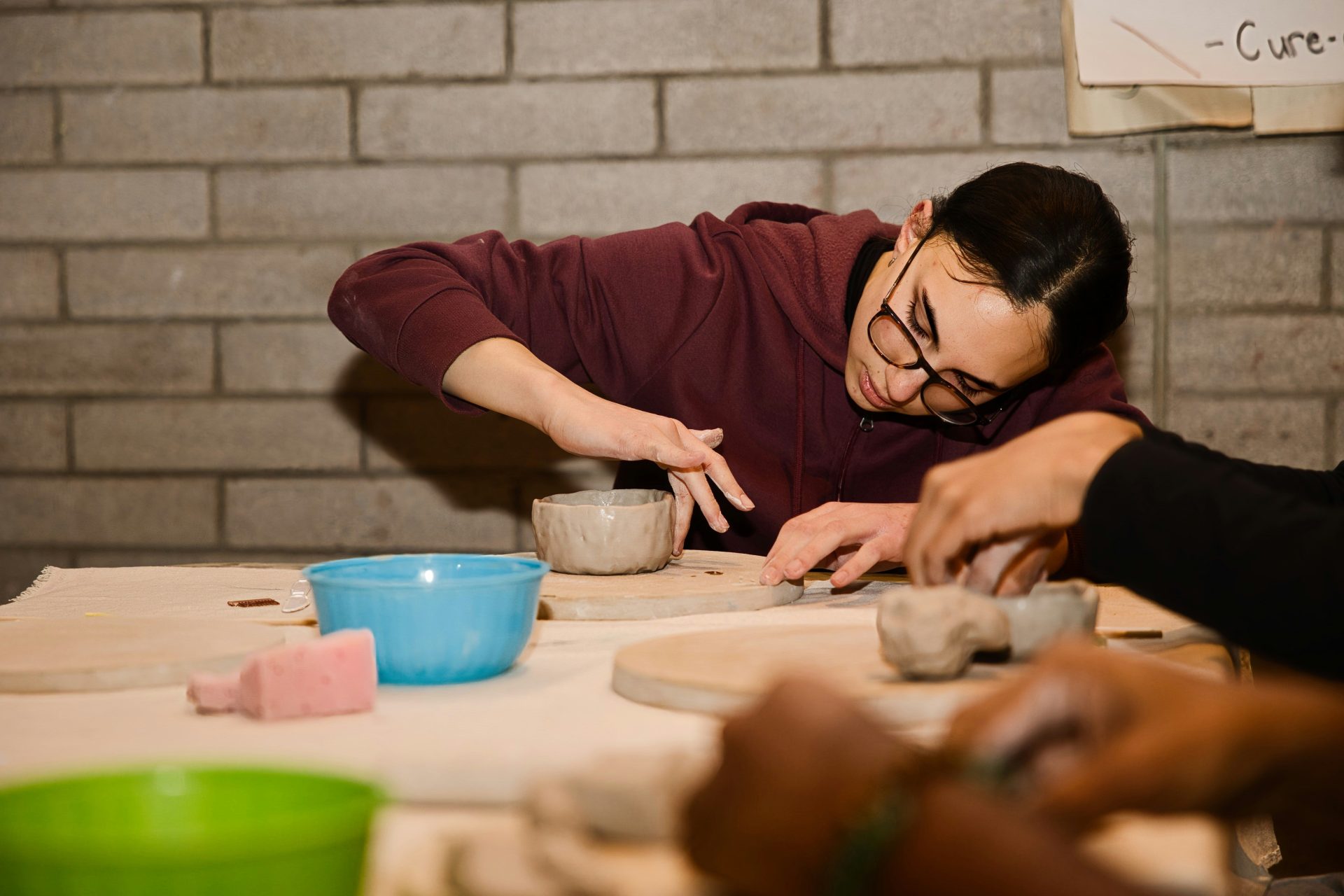
Teaching Skills in Sculpture
Sculpture is not limited to a big slab of school clay!
Pupils need to learn and be able to
apply sculptural skills across a range of media.
This course will give ideas for techniques including using
- Clay
- Wire
- Paper and Card
- Reclaimed and recycled materials
- Natural materials
The accompanying booklet includes vocabulary lists, inspirational artists and their works of art to
study, practical tips and ideas of how to create sculptures on a tight budget.
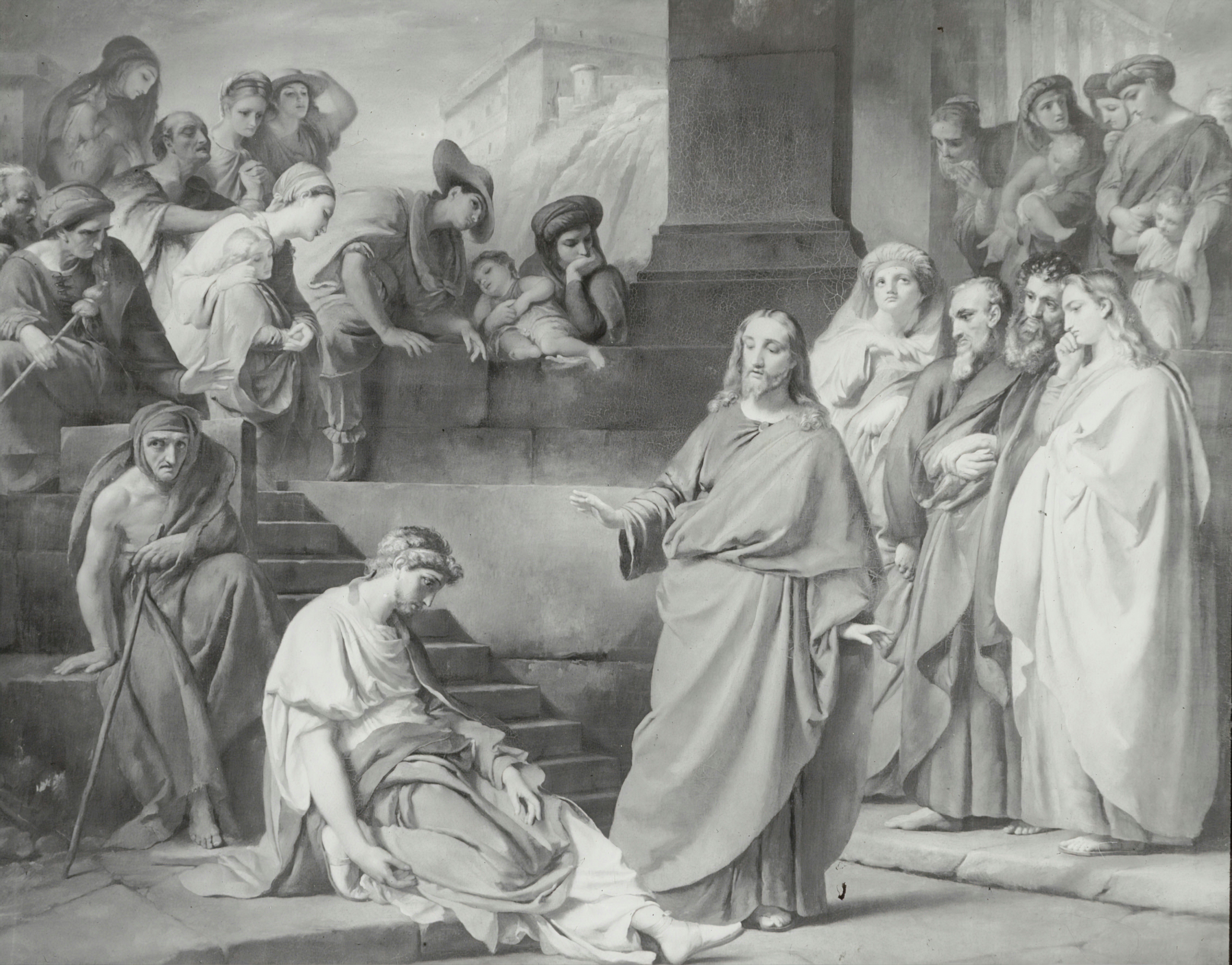
Religion and Christian Art
This CPD session examines the relationship between Christianity and Art, helping teachers
to understand how paintings can deepen and enhance understanding within Religious
Education lessons. A single visual image can convey complex ideas, emotions, and information
more effectively than a lengthy verbal description, but choosing the correct painting is
essential to ensure the impact is immediate and profound.
The course draws on a rich body of paintings from the Italian Renaissance and Baroque
periods giving an insight into the relationship between the Church, the Scriptures and the
Artists.
Each participant will receive resources to support lesson planning which includes,
- A database of paintings linked to the Church calendar
- A lesson structure for exploring analysis
- An extensive glossary of terms to help build subject specific vocabulary
- Question stems to prompt meaningful discussions
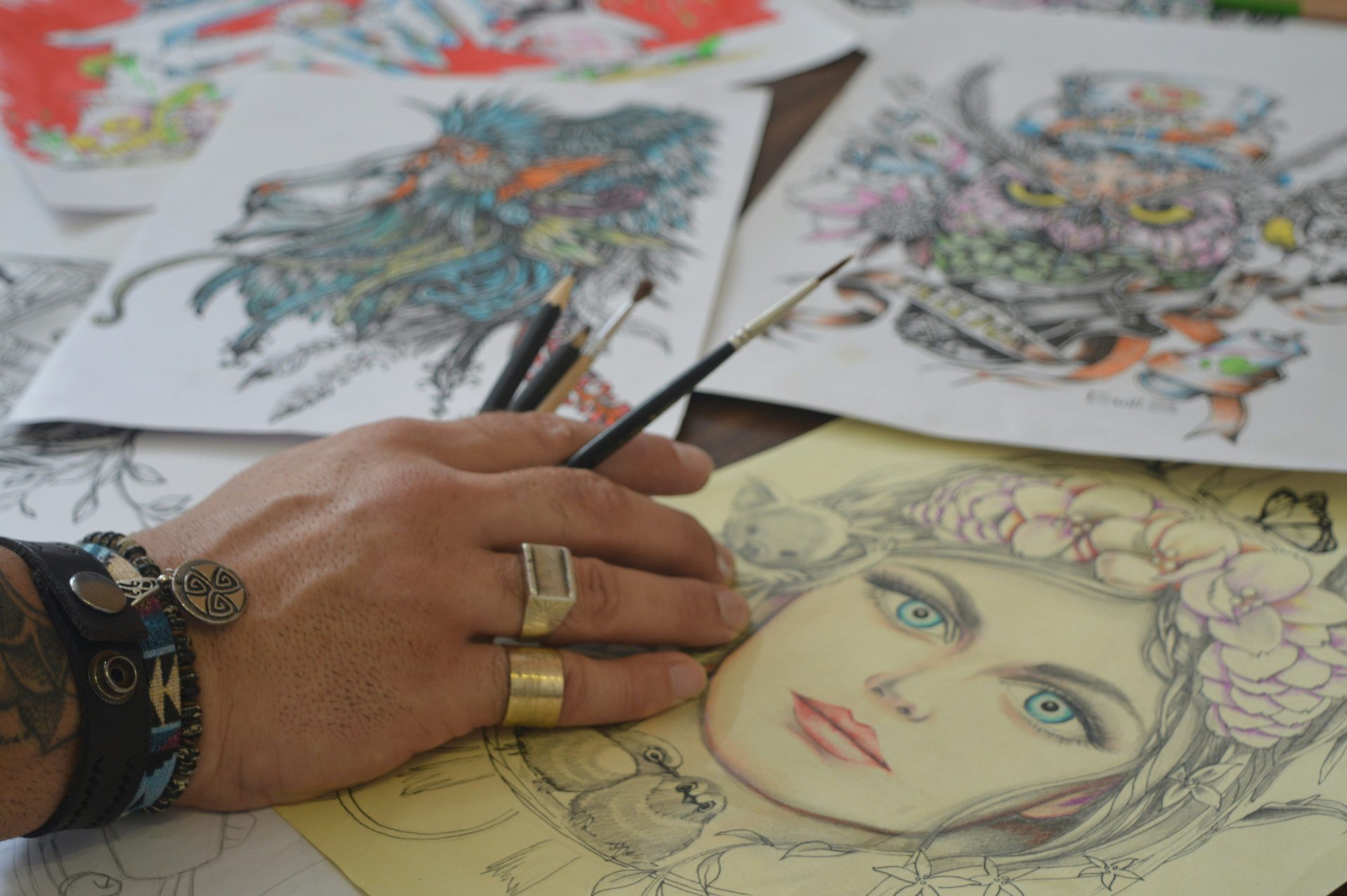
Sketchbooks
In the National Curriculum (2013), sketchbooks are only mentioned in Key Stage 2. The
guidance states that children should ‘create sketchbooks to record their observations anduse
them to review and revisit ideas. ‘ However, this does not mean that they should be exclusive
to KS2, with many schools introducing them in KS1 and some in the Foundation Stage.
Whatever is the normal practice in your school this course will offer support on how
sketchbooks can be developed.
This course will share good practice and ideas, including
- Defining and sharing the purpose of the sketchbook in your setting
- Which type of sketchbooks to use
- How children be supported to annotate their ideas
- Showing progress in a sketchbook
- Marking, comments and feedback – what works well
- Allowing individuality
- Reviewing and revisiting ideas
It is useful for participants to bring examples of their pupil’s sketchbooks to the course to
support dialogue.
Bookings
These sessions can be delivered as a morning or afternoon session for Inset
training, or as a condensed version for after school CPD sessions.
Morning/Afternoon sessions – £150 – max 30
After school CPD sessions – £75 – max 30
Costs include all course materials and travel expenses.
Prices may vary for larger groups based on the resource needs of
each course.
Full day Inset is available covering multiple aspects of currently available
courses.
Please contact me to discuss your requirements and costs. Book now for
2026/27.
Some dates still available for Term 5/6 – 2025/26.
For more information or to make a booking, please contact:
info@inkwellart.co.uk or call me on 07825 610 610
Ready to Ignite Creativity? Secure Your Bespoke Art Training Today
Reserve your preferred date.
© 2026 Inkwell Art | Imprint | Privacy Policy